Australia’s manufacturing sector has long been challenged by high labour costs, global competition, and the need for constant innovation. Yet, amid these pressures, a new generation of companies is redefining what is possible. One standout example is Melbourne-based Carbon Revolution, a company that has successfully leveraged automation, advanced materials, and digital manufacturing to compete on a global scale.
Carbon Revolution’s journey is not just a success story of one company—it represents a broader transformation happening across australia startups, particularly those operating in advanced manufacturing, cleantech, and automotive innovation. By automating complex processes and investing in cutting-edge technology, Carbon Revolution has gained a competitive edge that positions it among the most innovative australia startups on the global stage.
This article explores Carbon Revolution’s origins, technology, automation strategy, business model, market impact, challenges, and what its growth means for the future of australia startups.
Origins of Carbon Revolution: From Vision to Reality
Carbon Revolution was founded with a bold mission: to commercialise one-piece carbon fibre wheels for high-performance vehicles. The idea originated from academic research in Australia, where engineers identified an opportunity to dramatically reduce vehicle weight without compromising strength or safety.
Traditional wheel manufacturing relies heavily on metals such as aluminium and steel. While durable, these materials add significant weight. Carbon fibre, on the other hand, offers exceptional strength-to-weight ratios. However, manufacturing carbon fibre components at scale is complex, expensive, and historically difficult to automate.
This challenge is where Carbon Revolution differentiated itself—by focusing early on automation and scalable manufacturing, a mindset increasingly common among leading australia startups.
The Technology Behind Carbon Revolution
One-Piece Carbon Fibre Wheels
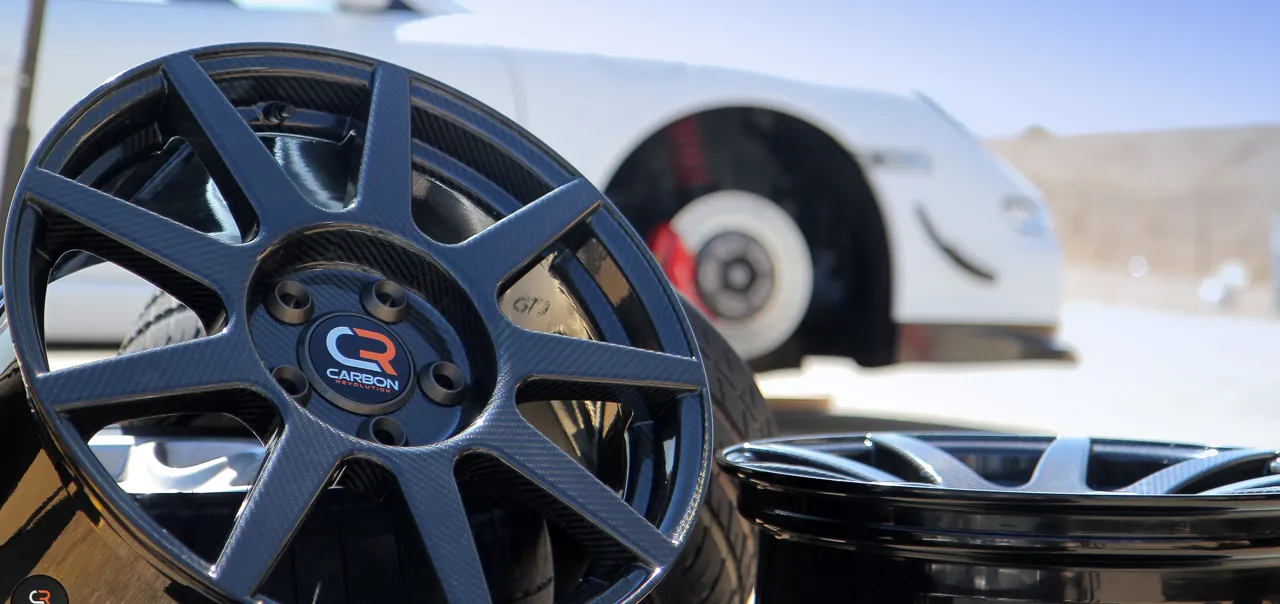
Carbon Revolution’s core product is its monobloc carbon fibre wheel, manufactured as a single piece rather than assembled from multiple components. This design improves structural integrity while reducing weight by up to 50% compared to traditional alloy wheels.
The benefits include:
- Improved acceleration and braking
- Enhanced handling and ride quality
- Lower emissions due to reduced vehicle mass
- Increased durability under extreme performance conditions
These advantages have attracted major global automotive manufacturers, placing Carbon Revolution in a league rarely reached by australia startups.
Automation as a Competitive Advantage
Why Automation Matters
Automation is not just a cost-saving tool for Carbon Revolution—it is a strategic necessity. Producing carbon fibre wheels involves thousands of precise steps, from fibre placement and resin infusion to curing, machining, and quality inspection.
Manual production would be:
- Too slow
- Too inconsistent
- Too expensive at scale
By automating these processes, Carbon Revolution has achieved repeatability and quality levels demanded by global automotive OEMs. This approach reflects a broader trend among australia startups that are using automation to overcome geographic and cost disadvantages.
Key Automated Processes
- Automated Fibre Placement (AFP)
Robotic systems precisely lay carbon fibre layers, ensuring optimal strength and minimal waste. - Advanced Resin Infusion Systems
Automation ensures consistent resin distribution, reducing defects and improving performance. - Robotic Machining and Finishing
Post-curing processes are handled by CNC machines and robots, maintaining tight tolerances. - AI-Driven Quality Control
Vision systems and sensors inspect each wheel, identifying defects faster than manual inspection.
These technologies enable Carbon Revolution to operate at a scale rarely achieved by australia startups in advanced manufacturing.
Digital Manufacturing and Industry 4.0
Carbon Revolution has embraced Industry 4.0 principles, integrating data, automation, and analytics across its operations.
Data-Driven Decision Making
Every stage of production generates data that feeds into central systems. This allows:
- Predictive maintenance
- Continuous process optimisation
- Reduced downtime
- Improved yield rates
Many australia startups aspire to this level of digital maturity, but few achieve it as comprehensively as Carbon Revolution.
Business Model and Revenue Streams
Carbon Revolution primarily operates on a B2B manufacturing model, supplying wheels directly to global automotive brands. Its customers include luxury, performance, and electric vehicle manufacturers seeking lightweight solutions.
Revenue Drivers
- Long-term supply contracts with OEMs
- Premium pricing justified by performance benefits
- Growing demand from electric vehicle manufacturers
- Licensing of proprietary manufacturing technologies (potential future avenue)
This model aligns well with the strategies of high-growth australia startups that prioritise long-term partnerships over short-term sales.
Global Impact and Market Position
Despite being headquartered in Melbourne, Carbon Revolution competes on a global scale. Its products are used in vehicles sold across North America, Europe, and Asia.
Competing with Global Giants
What makes Carbon Revolution unique among australia startups is its ability to:
- Meet strict international automotive standards
- Scale production reliably
- Innovate faster than traditional manufacturers
This global relevance demonstrates how australia startups can transcend local markets through technology and automation.
Sustainability and Environmental Benefits
Carbon Revolution’s technology contributes directly to sustainability goals—a critical factor for modern manufacturing and for australia startups positioning themselves for future growth.
Environmental Advantages
- Lightweight wheels reduce fuel consumption and emissions
- Improved efficiency for electric vehicles extends driving range
- Reduced material waste through automated manufacturing
- Long product lifespan lowers replacement frequency
As sustainability becomes a central theme among australia startups, Carbon Revolution serves as a powerful case study.
Challenges Faced Along the Way
Like many australia startups, Carbon Revolution has faced significant hurdles:
Capital Intensity
Advanced manufacturing requires substantial upfront investment in equipment, facilities, and R&D.
Scaling Complexity
Scaling carbon fibre production while maintaining quality is far more complex than scaling software or digital services.
Market Education
Convincing conservative automotive manufacturers to adopt new materials takes time, testing, and trust.
Despite these challenges, Carbon Revolution’s automation-first approach has helped mitigate risks and build credibility.
Carbon Revolution’s Role in the Australia Startup Ecosystem
Carbon Revolution is often cited as a flagship example of what australia startups can achieve in deep tech and manufacturing.
Inspiring the Next Generation
Its success:
- Encourages investment in advanced manufacturing
- Demonstrates global competitiveness
- Challenges the notion that manufacturing cannot thrive in Australia
For policymakers, investors, and founders, Carbon Revolution highlights the importance of supporting australia startups beyond software and fintech.
Lessons for Other Australia Startups
Carbon Revolution offers valuable insights for other australia startups:
- Automation is a Strategy, Not Just a Tool
- Deep Technology Creates Strong Defensibility
- Global Markets Are Accessible from Day One
- Quality and Consistency Build Trust Faster Than Marketing
- Manufacturing Innovation Can Be Scalable
These lessons are especially relevant for australia startups aiming to compete internationally.
The Future of Carbon Revolution
Looking ahead, Carbon Revolution is well positioned to benefit from:
- Growth in electric vehicles
- Demand for lightweight materials
- Increased focus on sustainability
- Expansion into new mobility segments
As automation technologies continue to evolve, Carbon Revolution is likely to deepen its competitive advantage—further cementing its status as a leader among australia startups.
Conclusion: Automating the Path to Global Leadership
Melbourne-based Carbon Revolution proves that advanced manufacturing is not only possible in Australia—it can thrive. By embracing automation, digital manufacturing, and material innovation, the company has built a globally competitive business that challenges industry norms.
In a landscape where many australia startups focus on software and platforms, Carbon Revolution stands out as a powerful example of hardware-driven innovation done right. Its journey underscores the importance of long-term vision, technological excellence, and strategic automation.
As australia startups continue to evolve, Carbon Revolution will remain a benchmark—showing how automation can be the ultimate edge in a competitive global market.