The latest economic data has sent shockwaves through financial markets and households alike: US inflation surged dramatically last month, tripling in pace compared to previous readings. At the center of this sharp rise is a record-breaking spike in gasoline prices, which has cascaded across multiple sectors of the economy. This sudden jump in inflation is not just a statistical anomaly—it reflects deeper structural pressures that are shaping consumer behavior, business decisions, and policy responses.
In this article, we will explore the causes behind this surge, the broader implications for the economy, and what it means for consumers and policymakers going forward. As inflation continues to dominate headlines, understanding its drivers has never been more critical.
Understanding the Latest Inflation Surge
Inflation, defined as the rate at which the general level of prices for goods and services rises, has been a persistent concern over the past few years. However, the recent data shows a sharp acceleration. The latest figures indicate that inflation effectively tripled on a month-over-month basis, marking one of the most significant increases in recent history.
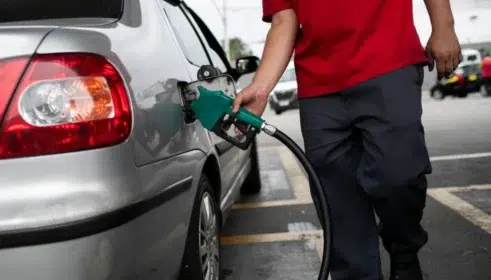
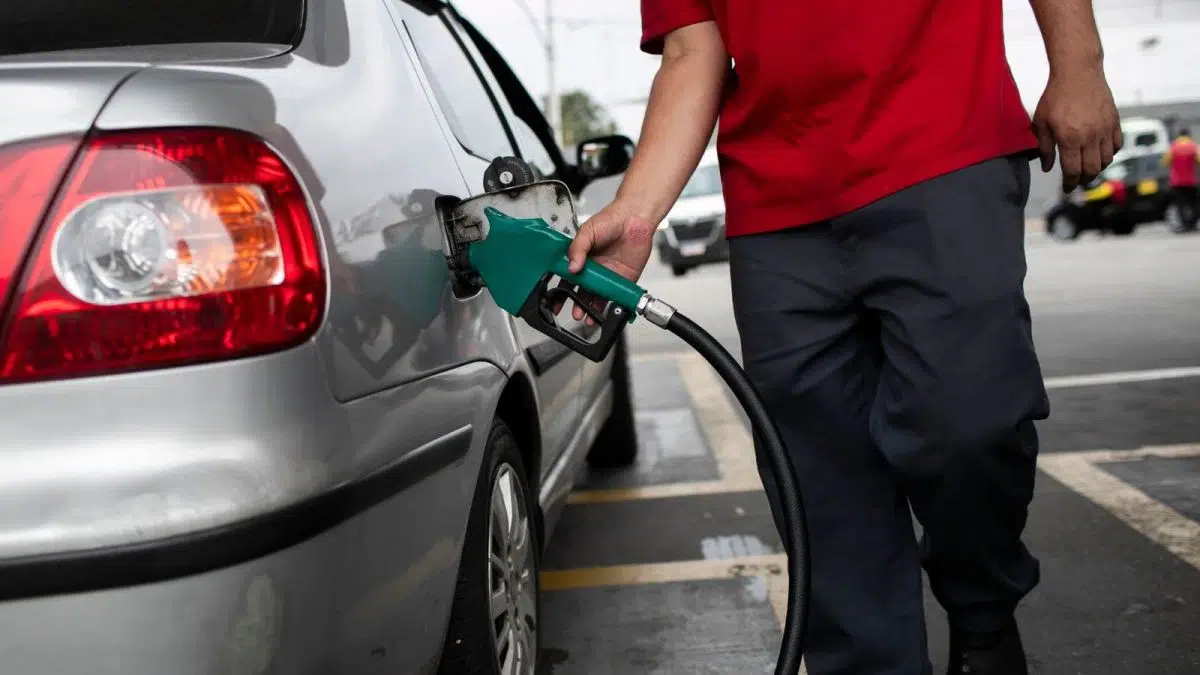
The primary driver behind this surge in inflation has been gasoline prices. Fuel costs experienced an unprecedented spike due to a combination of supply constraints, geopolitical tensions, and seasonal demand increases. Because gasoline is a key input for transportation and logistics, its price increase quickly feeds into the cost of goods and services across the board.
This ripple effect is a classic example of cost-push inflation, where rising input costs lead to higher prices for consumers. As a result, inflation has become more widespread, affecting everything from groceries to airline tickets.
The Role of Gas Prices in Driving Inflation
Gasoline prices play a crucial role in shaping inflation trends. When fuel costs rise sharply, they directly impact consumers at the pump while also indirectly influencing the cost of transporting goods.
Last month’s surge in gas prices was fueled by several factors:
- Supply disruptions: Refinery outages and reduced output limited available supply.
- Geopolitical tensions: Ongoing conflicts and trade uncertainties affected global oil markets.
- Seasonal demand: Increased travel during peak seasons boosted demand for fuel.
These factors combined to create a perfect storm, pushing gas prices to record levels. As a result, inflation surged, with energy costs contributing a significant portion of the overall increase.
Notably, inflation driven by energy prices tends to be volatile. However, when such increases persist, they can lead to more entrenched inflation expectations, making it harder to bring inflation under control.
Broader Economic Impact of Rising Inflation
The surge in inflation has far-reaching consequences for the economy. One of the most immediate effects is the erosion of purchasing power. As inflation rises, consumers find that their money buys less than before, leading to reduced discretionary spending.
Businesses are also feeling the impact of inflation. Higher input costs are forcing companies to either absorb losses or pass them on to consumers. In many cases, this results in higher prices, further fueling inflation in a feedback loop.
Additionally, rising inflation creates uncertainty in financial markets. Investors become more cautious, and volatility increases as markets attempt to price in future economic conditions. This uncertainty can slow down investment and economic growth.
Another critical aspect is wage growth. While wages may increase in response to inflation, they often lag behind price increases, leaving workers worse off in real terms. This dynamic contributes to growing concerns about living standards and economic inequality.
Central Bank Response to Inflation Pressures
Central banks closely monitor inflation as part of their mandate to maintain price stability. The recent surge in inflation is likely to prompt a response from policymakers, particularly in terms of interest rates.
Higher interest rates are a common tool used to combat inflation. By increasing borrowing costs, central banks aim to reduce spending and cool down economic activity. However, this approach comes with trade-offs, as it can also slow economic growth and increase the risk of recession.
The challenge for policymakers is to strike a balance between controlling inflation and supporting economic growth. With inflation rising rapidly, the pressure to act decisively is increasing.
Market participants are already speculating about potential rate hikes, and these expectations are influencing bond yields, stock prices, and currency movements.
Consumer Behavior in an Inflationary Environment
As inflation rises, consumer behavior tends to shift. Households become more cautious with their spending, prioritizing essential items over discretionary purchases.
The recent surge in inflation, driven by gas prices, has led many consumers to cut back on travel and non-essential spending. This shift can have a ripple effect on industries such as retail, hospitality, and entertainment.
Additionally, consumers may change their purchasing habits in response to inflation. For example, they might opt for cheaper alternatives, buy in bulk, or delay major purchases. These behavioral changes can influence demand patterns and, in turn, impact inflation dynamics.
Another notable trend is the increase in consumer awareness around inflation. With prices rising rapidly, individuals are paying closer attention to their budgets and seeking ways to mitigate the impact of inflation on their finances.
The Risk of Persistent Inflation
One of the biggest concerns among economists is the risk of inflation becoming persistent. While energy-driven inflation can be temporary, it has the potential to spill over into other sectors.
If businesses and consumers begin to expect higher inflation in the future, it can lead to changes in pricing and wage-setting behavior. This phenomenon, known as inflation expectations, can make inflation more difficult to control.
For instance, businesses may preemptively raise prices, and workers may demand higher wages to keep up with inflation. These actions can create a self-reinforcing cycle that sustains high inflation levels.
Breaking this cycle often requires decisive policy action, which can have significant economic consequences.
Global Implications of US Inflation
The impact of US inflation extends beyond domestic borders. As one of the world’s largest economies, changes in US inflation influence global markets.
Higher inflation in the US can lead to tighter monetary policy, which in turn affects global interest rates and capital flows. Emerging markets, in particular, may face challenges as higher US rates attract capital away from their economies.
Additionally, rising energy prices contribute to global inflation, affecting countries around the world. This interconnectedness highlights the importance of monitoring inflation trends on a global scale.
What Lies Ahead for Inflation?
Looking ahead, the trajectory of inflation will depend on several key factors:
- Energy prices: If gas prices stabilize or decline, inflation may ease.
- Supply chain conditions: Improvements in supply chains could reduce cost pressures.
- Policy responses: Central bank actions will play a crucial role in shaping inflation trends.
While it is difficult to predict the exact path of inflation, the recent surge underscores the need for vigilance. Policymakers, businesses, and consumers must all adapt to an environment where inflation remains a central concern.
Conclusion
The sharp rise in US inflation last month, driven by a record spike in gas prices, serves as a stark reminder of the complex forces shaping the economy. Inflation is not just a number—it has real implications for purchasing power, business operations, and economic stability.
As inflation continues to evolve, understanding its drivers and consequences will be essential for navigating the challenges ahead. Whether through policy measures, business strategies, or personal financial planning, addressing inflation requires a coordinated effort.
Ultimately, while the recent surge in inflation is concerning, it also provides an opportunity to reassess economic priorities and build resilience in the face of uncertainty.