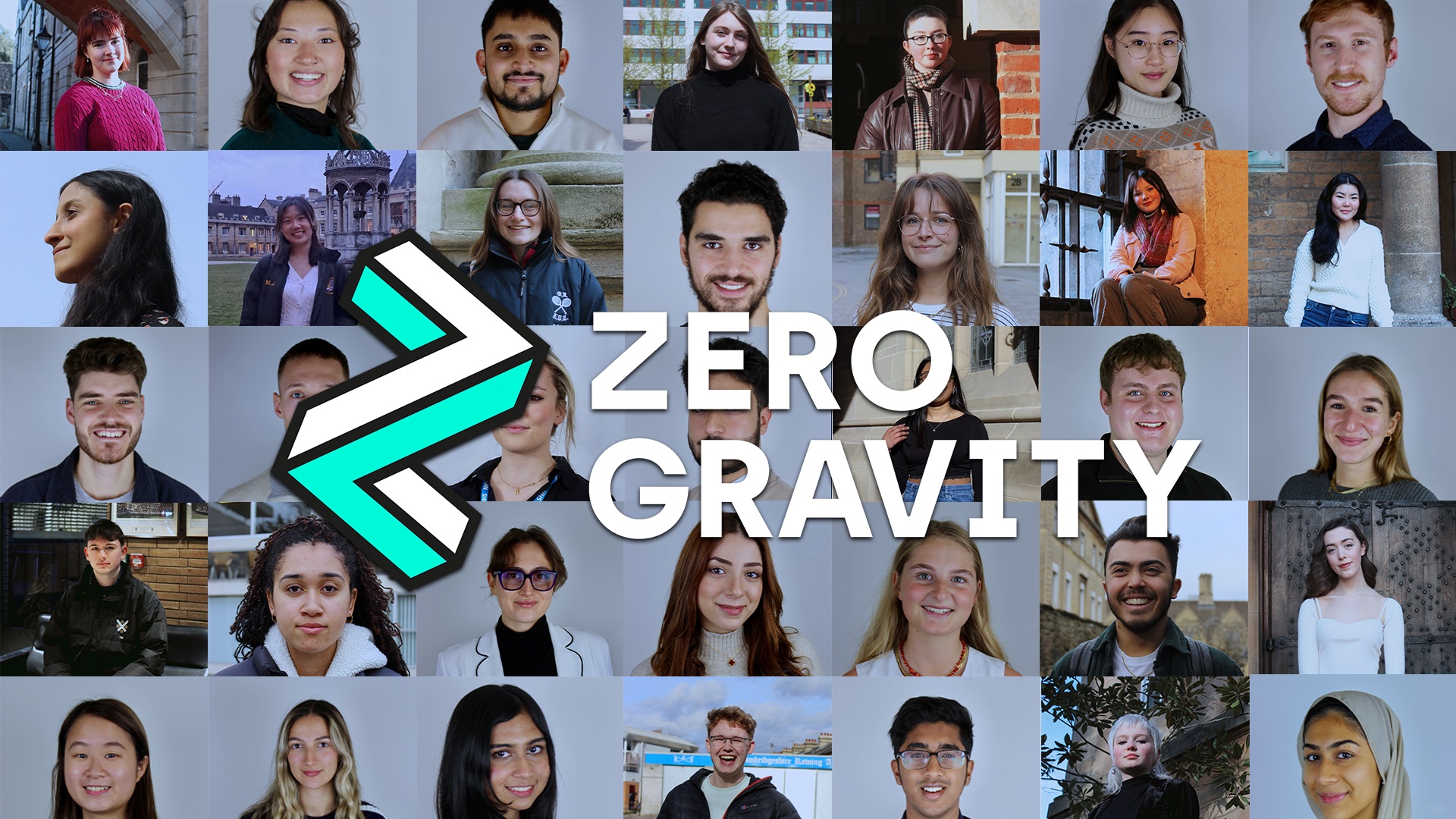
Zero Gravity is a UK-based technology and education startup that seeks to unlock the potential of underrepresented talent by helping students from low-income backgrounds gain access to top universities and employers. With its unique tech-driven platform, it has emerged as a powerful force for social mobility, disrupting the traditional education-to-career pipeline that has long excluded disadvantaged groups.
Key Product Offering
Zero Gravity’s core offering is its mentorship and career platform designed to identify high-potential students from underprivileged backgrounds and provide them with tailored guidance. The platform matches students (mentees) with professionals and university students (mentors) who can support them through application processes, career advice, and skill development.
The product ecosystem includes:
- Mentorship Platform – Intelligent matching of mentees and mentors using AI.
- University Admission Support – Specialized programs to help students gain entry to elite institutions.
- Career Launchpad – Early-stage career programs that connect users with top employers.
- Community Engagement – Events, webinars, and networking tools to help students stay engaged.
- Data Analytics Dashboard – For tracking student outcomes and impact at scale.
Case Study: Changing the Trajectory of Talent
Case: Emma – From State School to Oxford
Emma, a student from a low-income family in Manchester, used Zero Gravity’s platform while applying to university. She was matched with a mentor who had previously studied Law at Oxford. Through structured weekly guidance, mock interviews, and essay reviews, Emma successfully received an offer to study Law at Oxford. She became the first in her family to attend university and later returned to the platform as a mentor.
Outcomes:
- Emma secured a fully funded scholarship.
- She obtained an internship through Zero Gravity’s partner employer network.
- The mentoring cycle continues, with Emma now guiding new applicants.
This success story is not isolated—over 8,000+ students have gained offers to top universities like Oxford, Cambridge, LSE, and more via Zero Gravity.
Business Model
Zero Gravity operates a B2B2C model with multiple revenue streams and an impact-driven mission.
- Platform Access for Students: Free of charge, maintaining a high barrier to entry for talent while eliminating financial hurdles.
- Corporate Partnerships: Companies pay to access and recruit top-tier, diverse talent early in the funnel.
- University Collaboration: Universities leverage Zero Gravity to widen access and meet social mobility benchmarks.
This model ensures the service remains free for underprivileged students while maintaining commercial viability.
Revenue Model
Zero Gravity’s revenue comes from:
- Employer Subscriptions – Companies pay for talent sourcing, candidate insights, and brand alignment with social mobility.
- Corporate Sponsorships – Employers fund specific programs or scholarship pools, gaining visibility and engagement with students.
- Commission from Placements – Revenue share model for successful internships and graduate job placements.
- Custom Data Reports – Institutions pay for access to detailed impact analytics and talent performance insights.
This hybrid revenue approach supports profitability without compromising its core mission.
SWOT Analysis
Strengths
- High-impact mission with measurable social outcomes.
- Tech-enabled matching and mentoring platform with proprietary algorithms.
- Strong traction in terms of student outcomes and brand reputation.
- Support from top-tier employers seeking diverse early talent.
Weaknesses
- Limited geographic footprint—currently focused on the UK.
- Dependency on partner funding for program scalability.
- Resource-intensive mentorship management could impact scaling velocity.
Opportunities
- Global expansion into other education systems with inequality.
- White-labeling AI matching tools to schools and universities.
- Development of online learning modules as part of career preparation.
- Upskilling for university students and early professionals through corporate-backed training programs.
Threats
- Competition from established EdTech giants entering the mentoring space.
- Policy changes in education funding that could alter institutional collaboration.
- Economic downturns affecting employer budgets for early talent acquisition.
Conclusion
Zero Gravity exemplifies how technology can be wielded not just for commercial growth but also for profound societal impact. By reengineering the journey from education to employment for underrepresented students, it is rewriting what talent pipelines look like in the 21st century. The organization has managed to balance mission and monetization—a rare feat in the EdTech and social impact sectors.
With strategic partnerships, a scalable platform, and a clear vision, Zero Gravity is poised to continue making transformative change across the educational and professional landscape.