
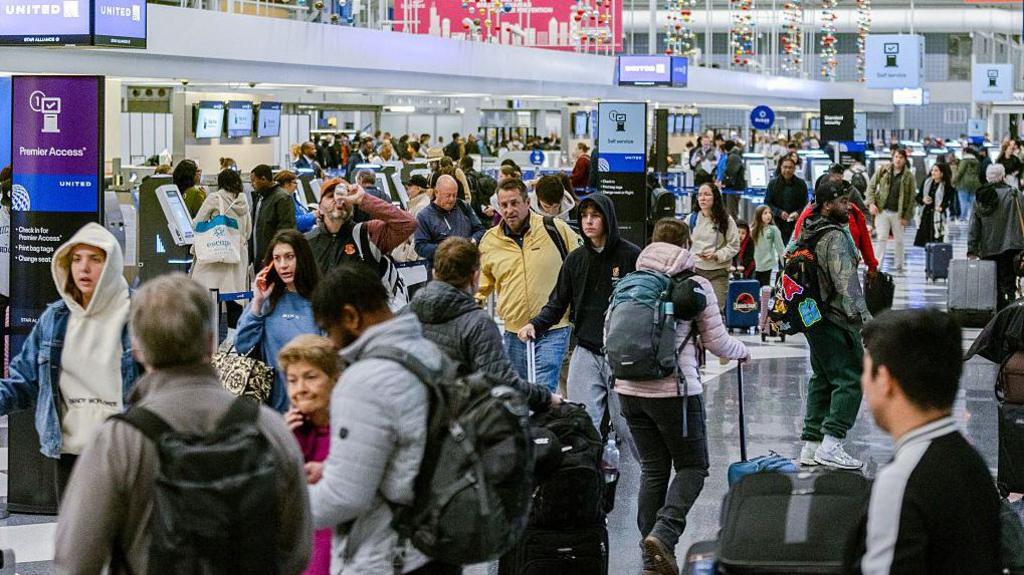
The Easter holiday weekend, typically one of the busiest travel periods in the United States, turned into a logistical nightmare for millions of passengers as severe weather systems disrupted air travel nationwide. Over 5,500 flights were delayed and hundreds more were canceled, creating a ripple effect across major airports and leaving travelers stranded, frustrated, and scrambling for alternatives. The surge in u.s. airline flight cancellations highlighted vulnerabilities in the aviation system, especially during peak travel seasons when demand is already stretched to its limits.
A Perfect Storm of Weather and Demand
The primary driver behind the widespread disruptions was a powerful series of storms that swept across key regions, including the Midwest, Northeast, and parts of the South. Thunderstorms, heavy rainfall, strong winds, and even hail in some areas forced airlines to delay or cancel flights for safety reasons. Major airline hubs such as Chicago, Atlanta, New York, and Dallas experienced the worst of the impact.
Weather-related disruptions are not uncommon, but the timing during a high-traffic holiday weekend amplified the consequences. Airlines were already operating near full capacity due to increased demand for Easter travel. When the storms hit, the system quickly became overwhelmed, resulting in a sharp increase in u.s. airline flight cancellations and cascading delays across the country.
Airports Under Pressure
Airports struggled to manage the sudden influx of delayed passengers. Long queues formed at customer service counters as travelers sought rebooking options. Many reported waiting hours just to speak with airline representatives, while others were forced to rely on mobile apps and online tools that were often overloaded.
The combination of grounded flights and limited gate availability led to congestion on airport runways and taxiways. Aircraft were delayed not only in departure but also upon arrival, as airports struggled to accommodate incoming flights. This congestion further contributed to the spike in u.s. airline flight cancellations, as airlines were forced to adjust schedules in real-time.
Airline Operations Disrupted
Airlines faced significant operational challenges during the meltdown. Crew scheduling became a major issue, as pilots and flight attendants were unable to reach their assigned locations due to delays. This created a domino effect, forcing airlines to cancel additional flights even after weather conditions began to improve.
Aircraft positioning also became problematic. Planes stuck in one city could not be moved to another for scheduled departures, leading to further disruptions. These operational bottlenecks are a key factor behind recurring u.s. airline flight cancellations during extreme weather events.
Despite efforts to recover quickly, airlines found it difficult to restore normal operations. The backlog of delayed flights took days to clear, extending the impact well beyond the holiday weekend.
Passenger Frustration Mounts
For travelers, the experience was nothing short of chaotic. Families traveling for Easter reunions, vacations, and religious observances faced unexpected delays and cancellations. Many were forced to spend hours—or even overnight—at airports due to a lack of available flights.
Social media was flooded with complaints, photos of crowded terminals, and stories of missed connections. The surge in u.s. airline flight cancellations not only disrupted travel plans but also led to additional expenses for passengers, including hotel stays, meals, and alternative transportation.
While airlines issued travel advisories and offered fee waivers for changes, many passengers felt that communication was insufficient. Real-time updates were often delayed, leaving travelers uncertain about the status of their flights.
Economic Impact of Flight Disruptions
The financial implications of widespread u.s. airline flight cancellations are significant. Airlines lose revenue from canceled flights and must also bear the cost of rebooking passengers, providing accommodations, and compensating affected travelers in some cases.
Airports and local businesses also feel the impact. Retail stores, restaurants, and transportation services within airports depend heavily on passenger traffic. When flights are canceled or delayed, spending patterns shift, affecting overall revenue.
Additionally, business travelers who rely on timely flights face productivity losses, which can have broader economic consequences. The Easter weekend meltdown serves as a reminder of how interconnected the aviation industry is with the overall economy.
The Role of Technology and Infrastructure
One of the key lessons from this event is the importance of robust technology and infrastructure in managing disruptions. Airlines rely heavily on complex scheduling systems, but these systems can struggle under extreme conditions.
Improved predictive analytics could help airlines anticipate weather-related disruptions and adjust schedules proactively. Enhanced communication tools could also provide passengers with more accurate and timely information, reducing confusion during periods of high u.s. airline flight cancellations.
Air traffic control systems also play a critical role. Modernizing these systems could improve efficiency and reduce delays, especially during peak travel periods.
Why Holiday Travel Is Especially Vulnerable
Holiday weekends like Easter create a unique set of challenges for the aviation industry. Passenger volumes surge, leaving little room for error. Even minor disruptions can quickly escalate into major problems.
During such periods, airlines operate tightly packed schedules with minimal buffer time. When disruptions occur, there is limited flexibility to accommodate changes. This makes u.s. airline flight cancellations more likely and more impactful compared to non-peak travel periods.
Additionally, travelers during holidays often have fixed schedules, such as returning to work or attending family events. This increases the urgency of rebooking and adds to the overall stress of the situation.
Steps Airlines Are Taking
In response to the Easter weekend meltdown, airlines are reviewing their operational strategies. Many are investing in better weather forecasting tools and improving coordination between departments.
Some airlines are also increasing staffing levels during peak travel periods to handle customer service demands more effectively. Others are exploring ways to build more flexibility into their schedules, allowing for quicker recovery from disruptions.
Reducing the frequency and impact of u.s. airline flight cancellations remains a top priority for the industry, especially as travel demand continues to rebound.
Tips for Travelers
For passengers, there are several steps that can help minimize the impact of disruptions:
- Book early flights, which are less likely to be affected by delays.
- Choose nonstop flights when possible to avoid missed connections.
- Sign up for real-time flight alerts through airline apps.
- Consider travel insurance to cover unexpected expenses.
- Arrive at the airport early during peak travel periods.
Being prepared can make a significant difference when dealing with u.s. airline flight cancellations and delays.
Looking Ahead
The Easter weekend travel chaos underscores the need for continued improvements in the aviation industry. While weather disruptions are unavoidable, their impact can be mitigated through better planning, technology, and communication.
As travel demand continues to grow, airlines and airports must adapt to ensure a smoother experience for passengers. Reducing the frequency of u.s. airline flight cancellations will require collaboration across the entire aviation ecosystem, from airlines and airports to regulators and technology providers.
Conclusion
The Easter weekend meltdown, marked by over 5,500 delays and widespread u.s. airline flight cancellations, serves as a stark reminder of the challenges facing modern air travel. Severe weather, high demand, and operational constraints combined to create a perfect storm of disruptions.
While airlines are taking steps to improve resilience, the event highlights the importance of preparedness—for both the industry and travelers. As the aviation sector evolves, addressing the root causes of u.s. airline flight cancellations will be essential to ensuring reliable and efficient travel experiences in the future.