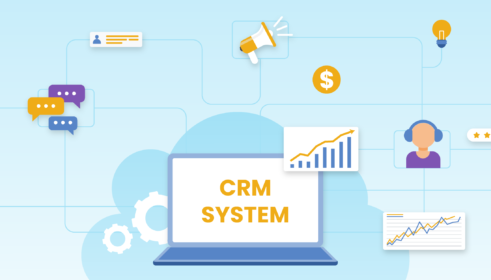

In today’s fast-paced digital economy, managing customer relationships efficiently is no longer optional—it is essential. Small businesses, in particular, face the challenge of maintaining strong customer connections while juggling limited resources. This is where CRM systems (Customer Relationship Management systems) come into play. By centralizing customer data, automating workflows, and improving communication, CRM systems empower small businesses to compete with larger enterprises.
As we move into 2026, the demand for intuitive, affordable, and scalable CRM systems continues to rise. Whether you’re a startup, a growing e-commerce brand, or a service-based business, choosing the right CRM system can significantly impact your success.
In this comprehensive guide, we’ll explore the 5 best CRM systems for small businesses for 2026, along with their features, benefits, and why they stand out in a crowded market.
Why CRM Systems Are Essential for Small Businesses
Before diving into the list, it’s important to understand why CRM systems are critical. Small businesses often rely on personalized relationships, and CRM systems help maintain that personal touch while scaling operations.
Here are some key benefits of using CRM systems:
- Centralized customer data management
- Improved customer service and engagement
- Automation of repetitive tasks
- Enhanced sales tracking and forecasting
- Better team collaboration
- Increased productivity and efficiency
With these advantages, CRM systems become a powerful tool for growth and customer retention.
1. HubSpot CRM
Overview
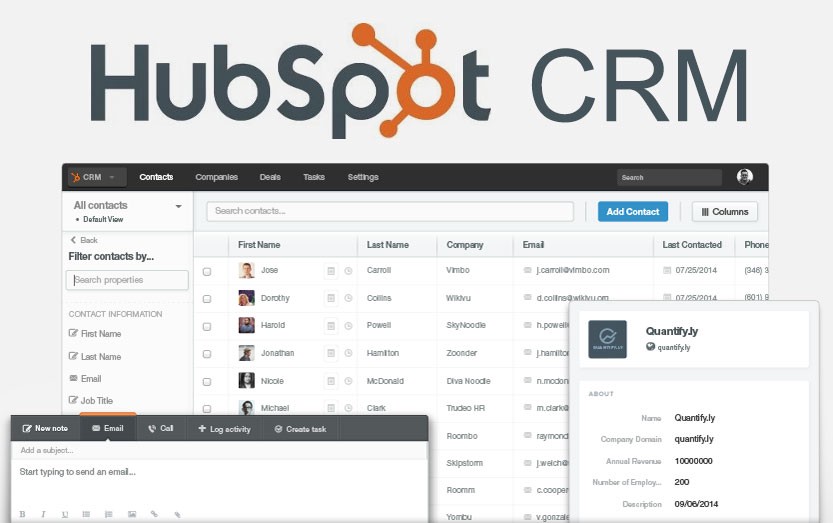
HubSpot CRM is one of the most popular CRM systems for small businesses, thanks to its user-friendly interface and robust free plan.
Key Features
- Contact and deal management
- Email tracking and automation
- Marketing tools integration
- Sales pipeline visualization
- Reporting and analytics
Why It’s Great for Small Businesses
HubSpot stands out because it offers a free version with extensive features. For small businesses with tight budgets, this makes it one of the most accessible CRM systems available in 2026.
Additionally, its scalability allows businesses to upgrade as they grow, making it a long-term solution.
2. Zoho CRM
Overview
Zoho CRM is a versatile and affordable option designed specifically for small to medium-sized businesses.
Key Features
- Lead and contact management
- Workflow automation
- AI-powered assistant (Zia)
- Multichannel communication
- Custom dashboards

Why It’s Great for Small Businesses
Zoho CRM offers excellent value for money. It combines powerful features with flexible pricing, making it one of the most cost-effective CRM systems.
Its customization options also make it suitable for businesses with unique workflows.
3. Salesforce Essentials
Overview
Salesforce is a global leader in CRM systems, and its “Essentials” plan is tailored for small businesses.
Key Features
- Account and contact management
- Opportunity tracking
- Email integration
- Mobile app access
- Customer support tools

Why It’s Great for Small Businesses
Salesforce Essentials brings enterprise-level capabilities to small businesses. While it may have a steeper learning curve than other CRM systems, its power and flexibility are unmatched.
For businesses planning rapid growth, Salesforce is a strong contender.
4. Freshsales (by Freshworks)
Overview
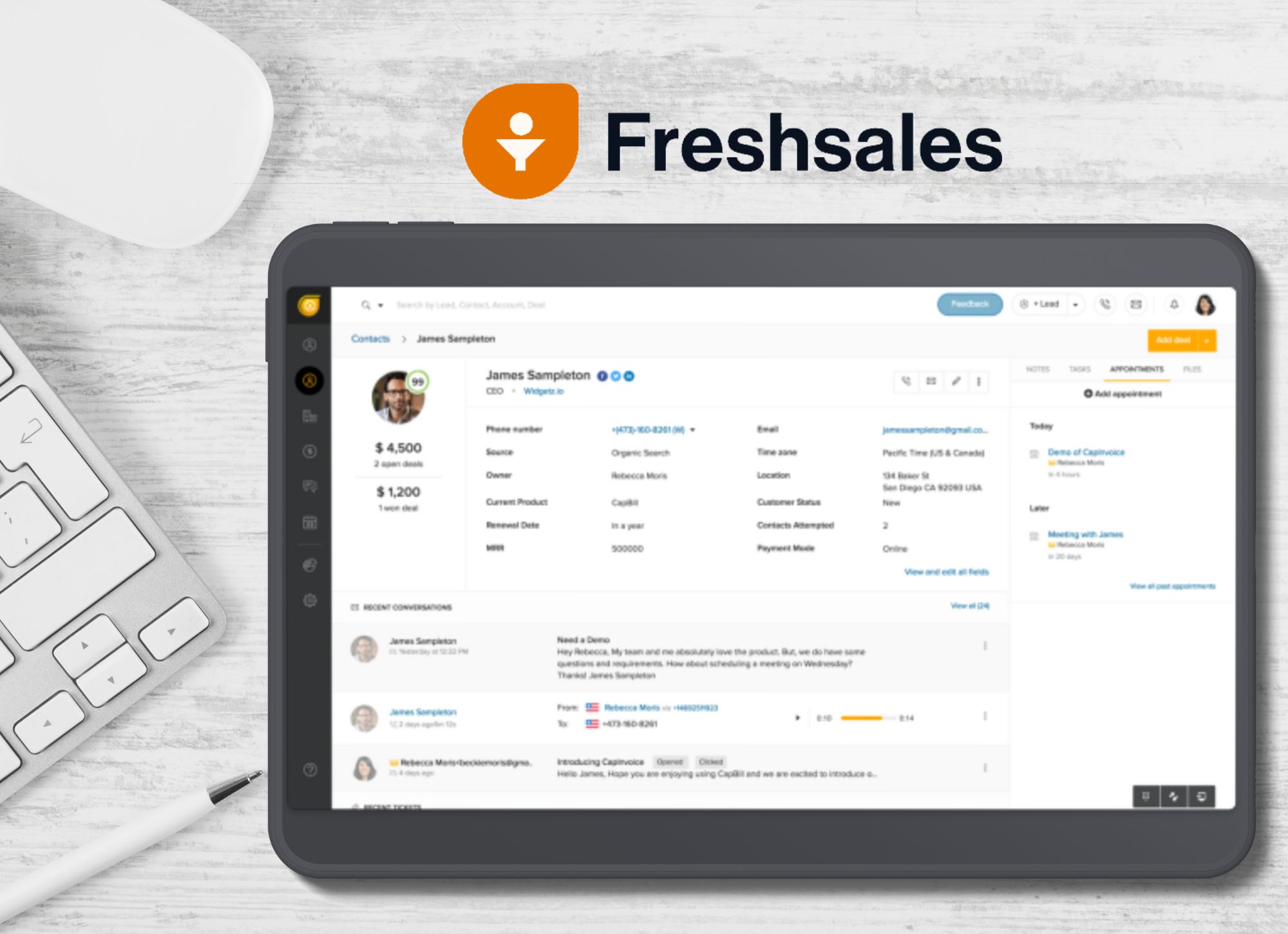
Freshsales is a modern CRM system designed with simplicity and automation in mind.
Key Features
- AI-based lead scoring
- Built-in phone and email
- Workflow automation
- Sales pipeline management
- Reporting tools
Why It’s Great for Small Businesses
Freshsales is ideal for businesses looking for automation without complexity. Its intuitive design ensures that even non-technical users can easily navigate the system.
Among CRM systems, Freshsales stands out for its built-in communication tools, reducing the need for third-party integrations.
5. Pipedrive
Overview
Pipedrive is a sales-focused CRM system that emphasizes simplicity and efficiency.
Key Features
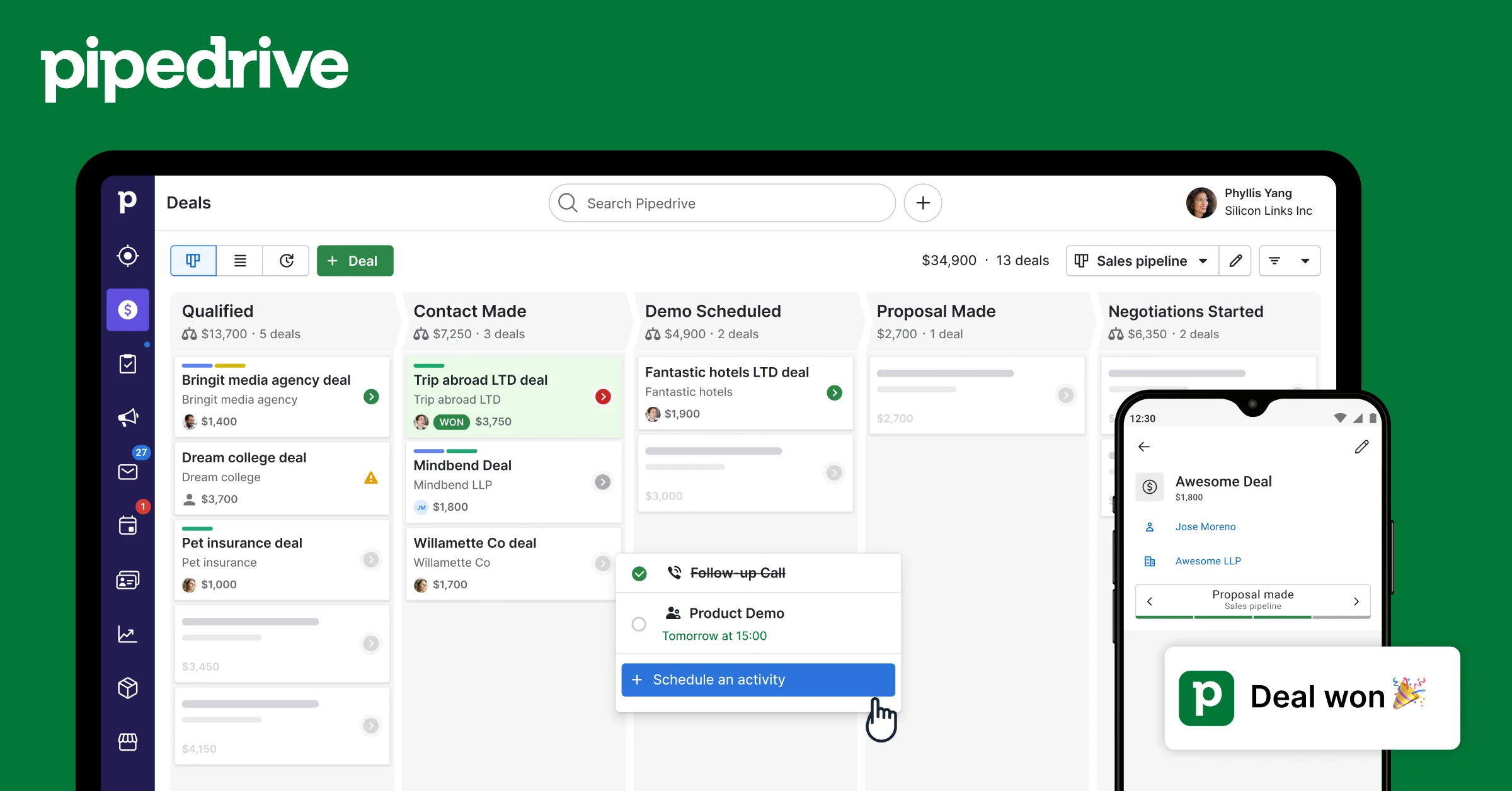
- Visual sales pipeline
- Activity reminders
- Email integration
- Customizable workflows
- Performance tracking
Why It’s Great for Small Businesses
Pipedrive is perfect for small businesses that prioritize sales. Its visual interface makes it easy to track deals and manage pipelines effectively.
Compared to other CRM systems, Pipedrive is highly intuitive, making onboarding quick and hassle-free.
How to Choose the Right CRM System
Selecting the right CRM system depends on your business needs. With so many CRM systems available, it’s essential to evaluate your priorities carefully.
Consider the Following Factors:
1. Budget
Small businesses must choose CRM systems that offer value without breaking the bank. Free or low-cost options like HubSpot and Zoho are excellent starting points.
2. Ease of Use
A complicated system can slow down your team. Look for CRM systems with intuitive interfaces and minimal learning curves.
3. Features
Identify the features you need—such as automation, reporting, or integrations—and ensure the CRM system supports them.
4. Scalability
Choose CRM systems that can grow with your business. Switching systems later can be costly and time-consuming.
5. Integration
Ensure the CRM system integrates with your existing tools, such as email platforms, accounting software, and marketing tools.
Trends in CRM Systems for 2026
The landscape of CRM systems is evolving rapidly. Here are some trends shaping the future:
1. AI Integration
Modern CRM systems are leveraging AI to provide insights, automate tasks, and improve decision-making.
2. Mobile-First Design
With remote work on the rise, CRM systems are becoming more mobile-friendly.
3. Automation
Automation is a key feature in CRM systems, helping businesses save time and reduce manual effort.
4. Personalization
CRM systems are enabling deeper personalization, allowing businesses to tailor customer experiences.
5. Cloud-Based Solutions
Most CRM systems are now cloud-based, offering flexibility and accessibility from anywhere.
Benefits of Implementing CRM Systems
Implementing CRM systems can transform how small businesses operate. Here are some major benefits:
- Better customer insights
- Increased sales conversions
- Improved communication
- Enhanced customer retention
- Streamlined operations
By investing in the right CRM system, small businesses can unlock new growth opportunities.
Common Mistakes to Avoid
While CRM systems are powerful, improper implementation can lead to issues.
Avoid These Mistakes:
- Choosing overly complex CRM systems
- Not training your team properly
- Ignoring data quality
- Failing to customize the system
- Not integrating with existing tools
Avoiding these pitfalls ensures you get the most out of your CRM system.
Final Thoughts
In 2026, CRM systems are more than just tools—they are strategic assets that drive growth and efficiency. For small businesses, choosing the right CRM system can mean the difference between stagnation and success.
From the simplicity of HubSpot to the power of Salesforce and the affordability of Zoho, there is no shortage of excellent CRM systems available today. Each option offers unique strengths, making it crucial to align your choice with your business goals.
Ultimately, the best CRM systems are those that help you build stronger relationships, streamline operations, and scale your business effectively. By investing in the right solution, small businesses can thrive in an increasingly competitive marketplace.