
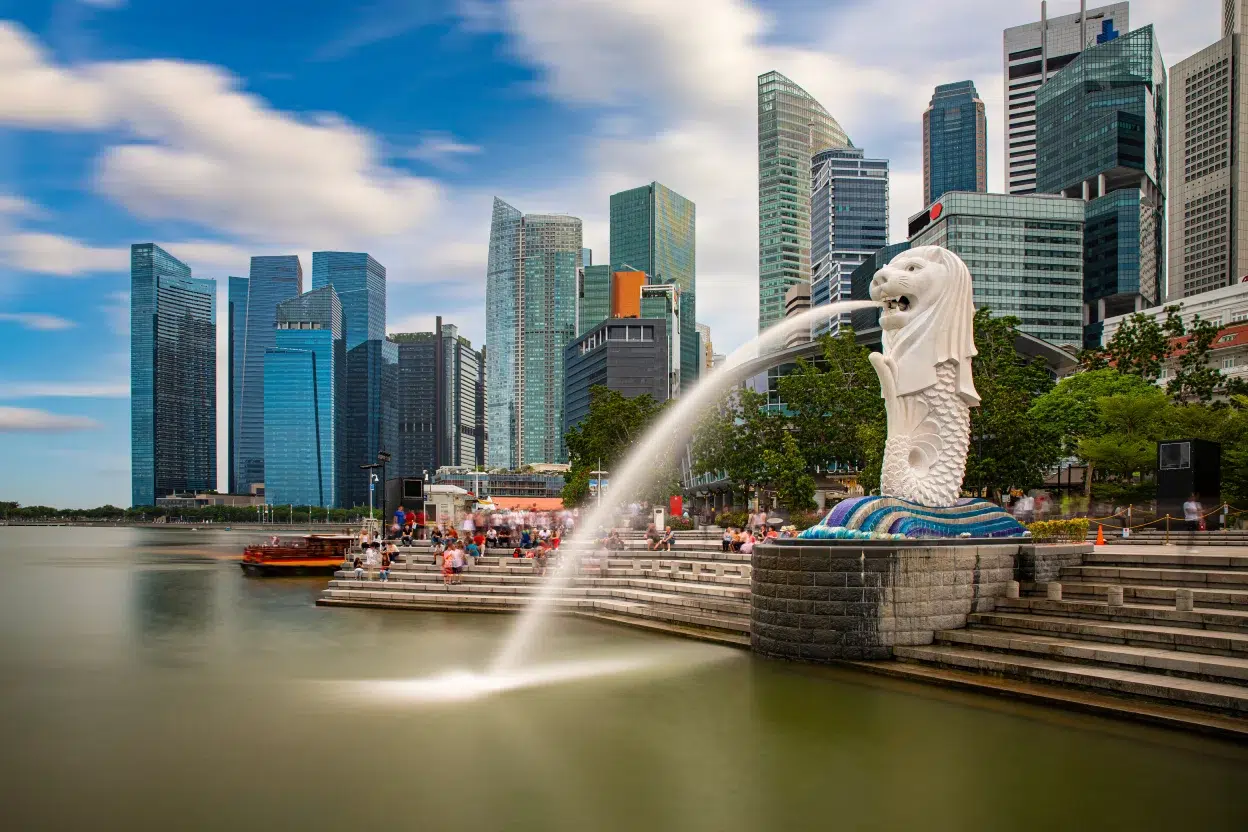
Singapore’s economic outlook is facing increasing scrutiny as global uncertainties intensify, yet many economists remain cautious about making immediate revisions to their projections. While warning signs are emerging across multiple sectors, most analysts are stopping short of downgrading their forecasts for Singapore GDP growth, choosing instead to monitor evolving risks before making decisive changes.
This careful stance reflects the delicate balance between resilience and vulnerability in Singapore’s highly open economy. External demand, geopolitical tensions, inflationary pressures, and shifting trade dynamics are all contributing to a more complex outlook for Singapore GDP growth in the months ahead.
A Resilient Economy Facing Growing Headwinds
Singapore has long been recognized for its economic stability, strategic trade position, and robust financial ecosystem. Over the past few years, the country has demonstrated resilience despite global disruptions such as pandemic aftershocks, supply chain bottlenecks, and fluctuating commodity prices.
However, economists now point to a range of downside risks that could weigh on Singapore GDP growth. The global economic environment is becoming increasingly uncertain, particularly due to slower growth in major economies such as the United States, China, and the European Union. Since Singapore’s economy is heavily dependent on exports, any decline in global demand can have a direct impact on Singapore GDP growth.
External Demand Remains a Key Concern
One of the most significant factors influencing Singapore GDP growth is external demand. The country’s export-oriented industries, including electronics, pharmaceuticals, and precision engineering, rely heavily on international markets.
Recent data suggests that global trade momentum is slowing, with weaker demand for electronics and semiconductors—key pillars of Singapore’s manufacturing sector. This slowdown has prompted economists to flag potential risks to Singapore GDP growth, especially if the downturn in global demand persists.
Additionally, ongoing geopolitical tensions and trade disputes could disrupt supply chains and reduce cross-border investments. These developments further contribute to uncertainty surrounding Singapore GDP growth, making it difficult for analysts to predict the trajectory with confidence.
Domestic Factors Offer Some Support
Despite external challenges, domestic economic conditions provide a degree of stability. Consumer spending in Singapore has remained relatively steady, supported by low unemployment and wage growth in certain sectors.
The services sector, particularly tourism, hospitality, and financial services, has shown encouraging signs of recovery. Increased visitor arrivals and business activity have helped offset some of the weakness in manufacturing, thereby supporting Singapore GDP growth.
Government policies also play a crucial role in sustaining economic momentum. Fiscal measures, infrastructure investments, and targeted support for businesses are expected to cushion the impact of global uncertainties on Singapore GDP growth.
Inflation and Interest Rates Add Complexity
Another factor influencing the outlook for Singapore GDP growth is inflation. While inflationary pressures have moderated compared to previous peaks, they remain a concern for both policymakers and businesses.
Higher costs can reduce consumer purchasing power and increase operational expenses for companies, potentially slowing economic activity. At the same time, global interest rate trends continue to affect financial conditions in Singapore.
Tighter monetary policy in major economies can lead to capital outflows and currency fluctuations, indirectly impacting Singapore GDP growth. Economists are closely watching these developments, as prolonged high interest rates could dampen investment and consumption.
Why Economists Are Holding Their Forecasts
Despite the risks, most economists have chosen not to revise their forecasts for Singapore GDP growth—at least for now. This cautious approach is based on several key considerations:
1. Uncertainty Is Still Evolving
The current risks are largely external and subject to rapid change. Economists prefer to wait for clearer signals before adjusting their projections for Singapore GDP growth.
2. Economic Fundamentals Remain Strong
Singapore’s strong institutions, sound fiscal management, and diversified economy provide a solid foundation. These factors help support Singapore GDP growth even during periods of global volatility.
3. Potential for Upside Surprises
While risks are skewed to the downside, there is still potential for positive developments. For example, a recovery in global demand or easing geopolitical tensions could boost Singapore GDP growth beyond current expectations.
Sectoral Performance and Its Impact
The trajectory of Singapore GDP growth also depends on the performance of key sectors:
Manufacturing
The manufacturing sector has been under pressure due to weaker global demand. A prolonged slowdown could significantly impact Singapore GDP growth, given the sector’s importance to the economy.
Services
The services sector remains a bright spot, driven by financial services, tourism, and digital innovation. Continued growth in this sector could help stabilize Singapore GDP growth.
Construction
Infrastructure projects and public sector investments are supporting construction activity, providing another layer of resilience for Singapore GDP growth.
The Role of Government Policy
Government intervention remains a critical factor in shaping Singapore GDP growth. Policymakers have demonstrated a proactive approach in addressing economic challenges, implementing measures to support businesses and households.
From targeted subsidies to workforce development programs, these initiatives are designed to sustain economic activity and enhance long-term competitiveness. Such efforts are expected to play a vital role in maintaining Singapore GDP growth amid global uncertainties.
Global Risks to Watch
Economists highlight several global risks that could influence Singapore GDP growth:
- Geopolitical tensions: Conflicts and trade disputes could disrupt global trade flows.
- China’s economic slowdown: As a major trading partner, China’s performance has a direct impact on Singapore GDP growth.
- US economic policy: Interest rate decisions and fiscal policies in the US can affect global financial conditions.
- Supply chain disruptions: Any renewed disruptions could hinder industrial production and trade.
Monitoring these factors is essential for understanding the future path of Singapore GDP growth.
Outlook for the Coming Quarters
Looking ahead, the outlook for Singapore GDP growth remains cautiously optimistic. While downside risks are clearly present, the economy’s underlying strengths provide a buffer against severe downturns.
Economists expect moderate growth in the near term, supported by domestic demand and gradual recovery in certain sectors. However, they also emphasize the importance of remaining vigilant, as conditions can change rapidly.
Conclusion
The current economic landscape presents a complex picture for Singapore GDP growth. On one hand, the economy benefits from strong fundamentals, resilient domestic demand, and proactive government policies. On the other hand, external headwinds such as slowing global trade, geopolitical tensions, and financial uncertainties pose significant challenges.
For now, economists are choosing to hold their forecasts steady, acknowledging the risks without overreacting to short-term fluctuations. This measured approach reflects the inherent uncertainty in the global economy and the need for careful analysis.
As new data emerges and global conditions evolve, forecasts for Singapore GDP growth may be revised. Until then, the focus remains on navigating risks while leveraging opportunities to sustain economic momentum.