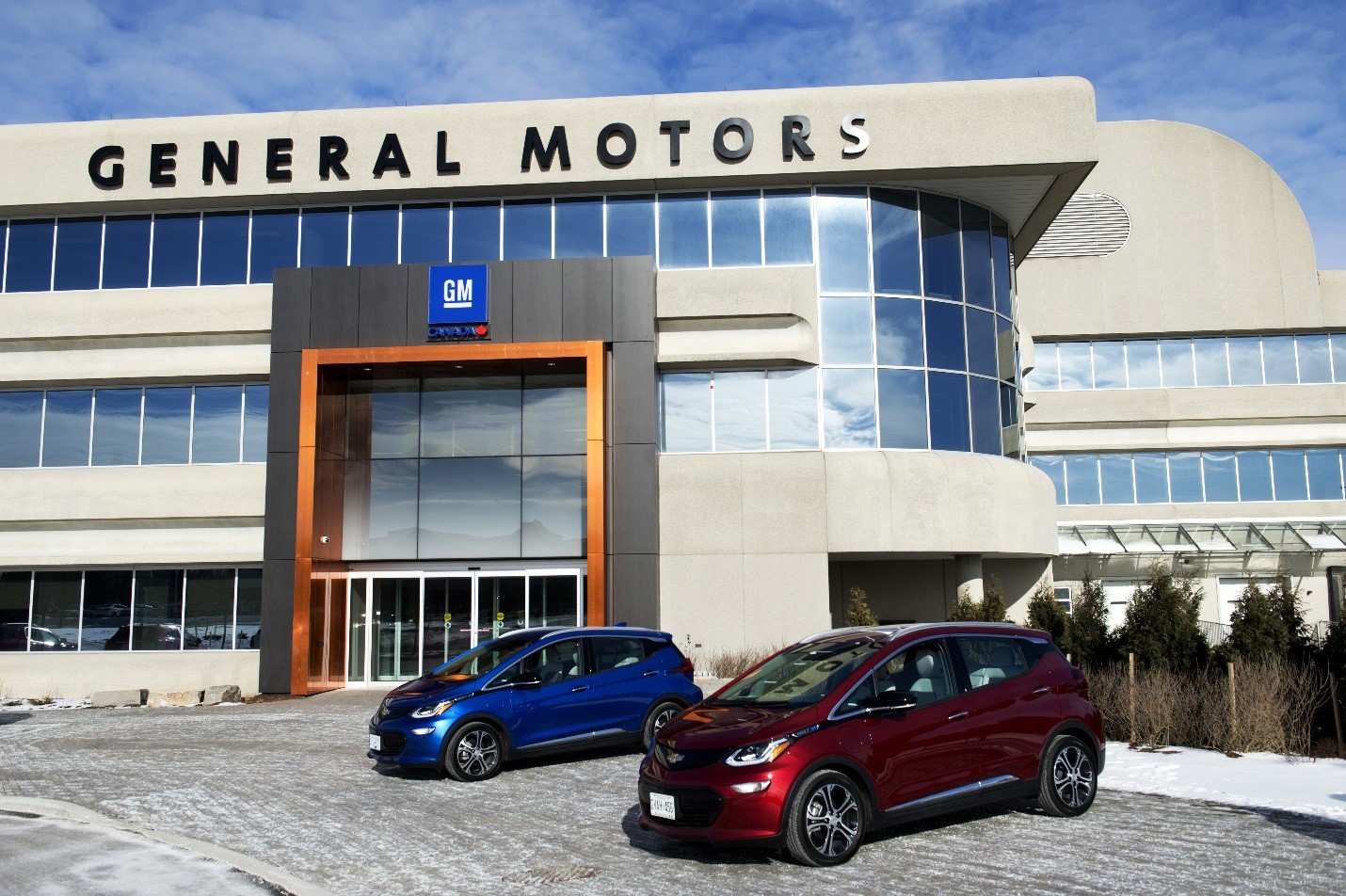
The global automotive industry is undergoing one of its most complex transitions in decades, and recent developments highlight just how challenging the road ahead has become. Among the major players navigating this uncertain terrain, General Motors has found itself facing a noticeable slowdown. The latest figures reveal that GM sales have fallen nearly 10%, signaling broader headwinds affecting not only the company but the entire auto sector.
This article explores the reasons behind the decline, the macroeconomic forces at play, the evolving consumer landscape, and how General Motors is positioning itself for recovery in a rapidly changing industry.
A Sharp Decline in GM Sales
The headline figure—a nearly 10% drop—has raised concerns among investors, analysts, and industry observers. While General Motors remains one of the largest automakers globally, the decline underscores the fragility of demand in an environment shaped by economic uncertainty, inflationary pressures, and shifting consumer preferences.
The fall in general motors sales is not an isolated phenomenon. Instead, it reflects a broader slowdown across the automotive sector. However, due to its size and influence, the performance of General Motors is often seen as a bellwether for the industry.
Several key markets reported weaker-than-expected demand, particularly in segments that once drove strong growth. The decline in general motors sales highlights the challenges of maintaining momentum in an increasingly competitive and evolving marketplace.
Macroeconomic Pressures Impacting General Motors
One of the primary reasons for the decline in general motors sales is the macroeconomic environment. Rising interest rates have made auto loans more expensive, directly impacting consumers’ ability to purchase new vehicles.
1. High Interest Rates
With central banks tightening monetary policy globally, borrowing costs have surged. For many consumers, financing a vehicle has become significantly more expensive, leading to deferred purchases.
2. Inflation and Cost of Living
Persistent inflation has eroded disposable income. Buyers are prioritizing essential spending, leaving less room for big-ticket items like cars. This has had a direct impact on general motors sales.
3. Economic Uncertainty
Fears of recession and job insecurity have made consumers cautious. Even those who can afford vehicles are delaying purchases, waiting for more stable economic conditions.
These macroeconomic pressures have created a challenging backdrop for General Motors, contributing to the overall decline in sales.
Supply Chain Disruptions Continue to Linger
Although the worst of the global supply chain crisis may be over, its effects are still being felt. General Motors has had to contend with intermittent shortages of key components, including semiconductors.
These disruptions have affected production schedules and inventory availability. In some cases, dealerships have struggled to maintain adequate stock, leading to missed sales opportunities.
Even as supply chains stabilize, the lingering impact continues to weigh on general motors sales, making it difficult for the company to fully meet consumer demand.
Shift Toward Electric Vehicles
The automotive industry is in the midst of a historic transition toward electric vehicles (EVs). While this shift presents long-term opportunities, it also introduces short-term challenges.
General Motors has made significant investments in EV technology, aiming to position itself as a leader in the electric future. However, the transition has not been seamless.
Challenges in EV Adoption
- Higher upfront costs: Electric vehicles remain more expensive than traditional cars.
- Charging infrastructure gaps: Limited availability of charging stations continues to deter potential buyers.
- Consumer hesitation: Many consumers are still uncertain about EV reliability and resale value.
As a result, while EV sales are growing, they have not yet fully compensated for declines in traditional vehicle sales, contributing to the dip in general motors sales.
Changing Consumer Preferences
Consumer behavior is evolving rapidly, and automakers must adapt to stay relevant. Today’s buyers are more informed, more selective, and more value-conscious than ever before.
Key Trends Affecting General Motors Sales
- Preference for SUVs and Crossovers
While General Motors has a strong presence in this segment, competition has intensified, squeezing margins and volumes. - Demand for Technology
Buyers now expect advanced features such as connectivity, driver assistance systems, and infotainment. Meeting these expectations requires significant investment. - Sustainability Concerns
Environmental awareness is influencing purchasing decisions, pushing automakers toward greener solutions.
These shifts have created both opportunities and challenges, shaping the trajectory of general motors sales.
Competitive Landscape Intensifies
The global automotive market has become increasingly competitive, with both traditional players and new entrants vying for market share.
Rise of New Competitors
Electric vehicle startups and technology-driven companies have disrupted the industry, offering innovative products that appeal to modern consumers.
Pressure from Global Automakers
Established manufacturers from Asia and Europe continue to expand their presence, often competing aggressively on price and features.
This heightened competition has made it more difficult for General Motors to maintain its market position, contributing to the decline in general motors sales.
Regional Performance Variations
The impact on general motors sales has not been uniform across all regions.
North America
As the company’s largest market, North America plays a critical role in overall performance. While demand remains relatively strong, it has softened compared to previous years.
China
China, once a major growth engine, has become increasingly competitive. Domestic brands have gained significant traction, posing a challenge to international players like General Motors.
Emerging Markets
In emerging markets, economic volatility and currency fluctuations have affected purchasing power, further impacting general motors sales.
These regional dynamics highlight the complexity of operating in a global market.
Strategic Response from General Motors
Despite the challenges, General Motors is taking proactive steps to address the decline in sales and position itself for future growth.
1. Investment in Electric Vehicles
The company continues to invest heavily in EV technology, aiming to expand its portfolio and improve affordability.
2. Cost Optimization
Efforts to streamline operations and reduce costs are underway, helping to protect margins in a challenging environment.
3. Focus on Innovation
General Motors is investing in autonomous driving, software, and connected vehicle technologies to stay ahead of the curve.
4. Strengthening Supply Chains
The company is working to build more resilient supply chains, reducing the risk of future disruptions.
These initiatives demonstrate General Motors’ commitment to navigating the current downturn and emerging stronger.
Investor Sentiment and Market Reaction
The decline in general motors sales has naturally drawn attention from investors. While some concerns have been raised, many analysts view the slowdown as part of a broader industry cycle rather than a company-specific issue.
Stock performance has reflected a mix of caution and optimism. Investors are closely watching how General Motors executes its long-term strategy, particularly in the EV space.
The Road Ahead for General Motors
Looking forward, the outlook for General Motors will depend on several key factors:
- Economic recovery: Improved macroeconomic conditions could boost consumer confidence and demand.
- EV adoption: Accelerated adoption of electric vehicles could offset declines in traditional segments.
- Technological advancements: Innovation will play a critical role in maintaining competitiveness.
- Policy support: Government incentives for EVs and sustainable mobility could drive growth.
While challenges remain, the company’s scale, resources, and strategic direction provide a strong foundation for recovery.
Conclusion
The nearly 10% decline in general motors sales serves as a stark reminder of the challenges facing the automotive industry. From macroeconomic pressures to shifting consumer preferences and intense competition, multiple factors have converged to create a რთ environment.
However, General Motors is not standing still. Through strategic investments, innovation, and a focus on the future of mobility, the company is actively working to overcome these challenges.
The story of general motors sales is not just about a temporary decline—it is about transformation. As the industry evolves, so too must its players. For General Motors, the current slowdown may well be a stepping stone toward a more sustainable and technologically advanced future.