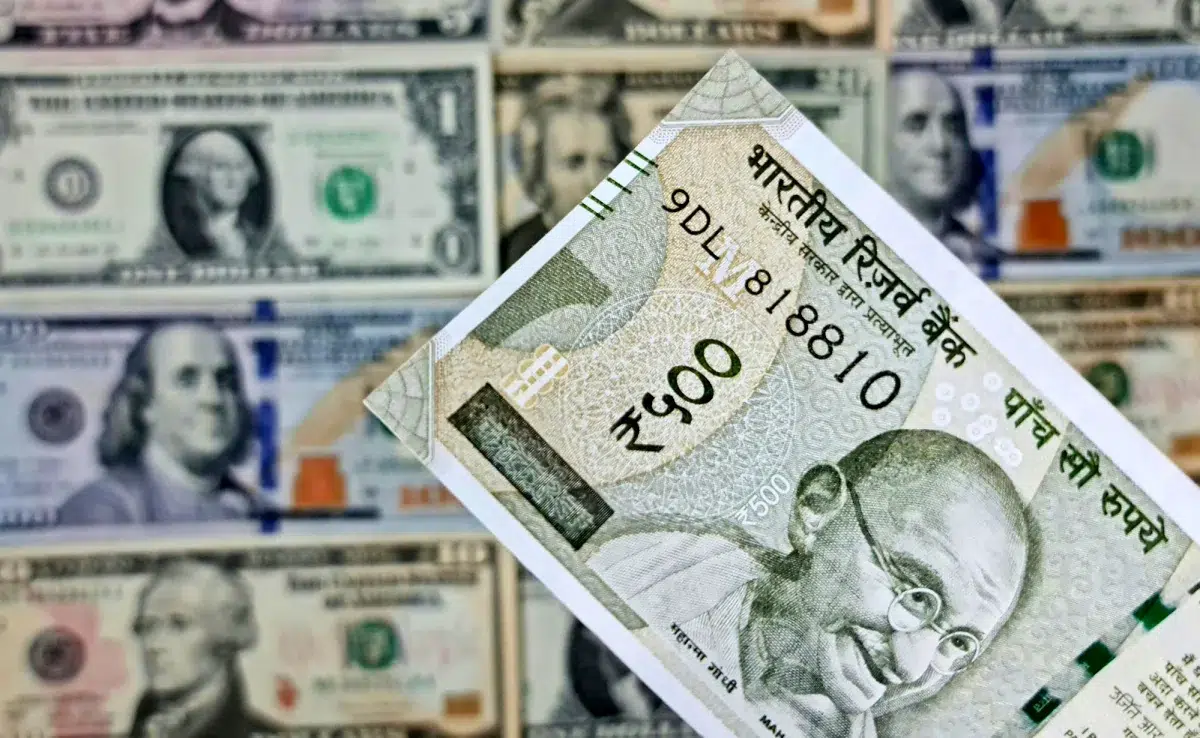
The Indian rupee staged a strong recovery in recent trading sessions, rebounding sharply from its record low and appreciating by 1.6% to settle at 93.19 against the U.S. dollar. This upward movement comes as a relief to policymakers, businesses, and investors who had been grappling with persistent depreciation pressures on the currency.
The recent strengthening of the Indian rupee reflects a mix of global and domestic factors, including improved market sentiment, intervention by the central bank, and easing demand for the U.S. dollar.
What Triggered the Rupee’s Rebound?
After hitting historic lows, the Indian rupee saw renewed buying interest driven by several key developments:
1. Central Bank Intervention
The Reserve Bank of India played a crucial role in stabilizing the currency. By selling dollars in the forex market and implementing liquidity measures, the RBI helped curb excessive volatility and restore confidence in the Indian rupee.
2. Weakness in the U.S. Dollar
A slight pullback in the U.S. Dollar also contributed to the rupee’s appreciation. As global investors reassessed interest rate expectations in the United States, demand for the dollar softened, allowing emerging market currencies like the Indian rupee to recover.
3. Positive Capital Inflows
Foreign institutional investors (FIIs) showed renewed interest in Indian equities and debt markets. Increased inflows boosted demand for the Indian rupee, strengthening its position against the dollar.
Impact on the Indian Economy
The appreciation of the Indian rupee carries significant implications for different sectors of the economy:
Importers Benefit
A stronger Indian rupee reduces the cost of imports, especially critical commodities like crude oil. This can help ease inflationary pressures and improve the country’s trade balance.
Exporters Face Pressure
On the flip side, exporters may find their goods becoming relatively more expensive in global markets. Sectors such as IT services and textiles could see margin pressures if the rupee continues to strengthen.
Inflation Outlook Improves
Since India is a major importer of energy, a stronger Indian rupee can help stabilize fuel prices, which in turn may reduce overall inflation.
Market Reactions
The rebound in the Indian rupee was accompanied by cautious optimism in financial markets. Equity indices saw moderate gains, while bond yields remained stable, reflecting confidence in macroeconomic stability.
Currency traders noted that the sharp 1.6% rise indicates strong support levels and suggests that the Indian rupee may have temporarily bottomed out.
Challenges Ahead
Despite the recent rally, the outlook for the Indian rupee remains uncertain. Several factors could influence its trajectory:
- Global interest rate movements, especially by the U.S. Federal Reserve
- Crude oil price fluctuations
- Geopolitical tensions impacting capital flows
- Domestic inflation and fiscal policy trends
Any adverse developments in these areas could put renewed pressure on the Indian rupee.
Outlook for the Indian Rupee
While the recent rebound is encouraging, analysts caution against excessive optimism. The Indian rupee is likely to remain volatile in the near term, influenced by both global economic trends and domestic policy measures.
However, strong foreign exchange reserves, proactive intervention by the Reserve Bank of India, and steady economic growth provide a supportive backdrop for the currency.
Conclusion
The recent 1.6% surge in the Indian rupee marks a significant turnaround after hitting record lows. Backed by central bank intervention, improved investor sentiment, and global currency dynamics, the Indian rupee has regained some lost ground.
As markets continue to evolve, the sustainability of this recovery will depend on a delicate balance of domestic resilience and global economic conditions. For now, the rebound offers a much-needed breather for Asia’s third-largest economy and reinforces confidence in the Indian rupee’s long-term stability.