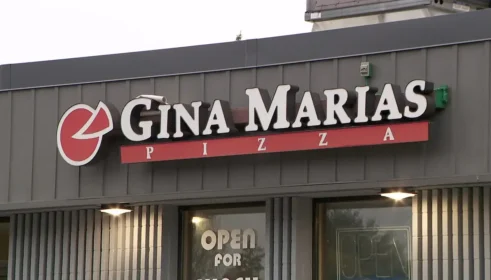
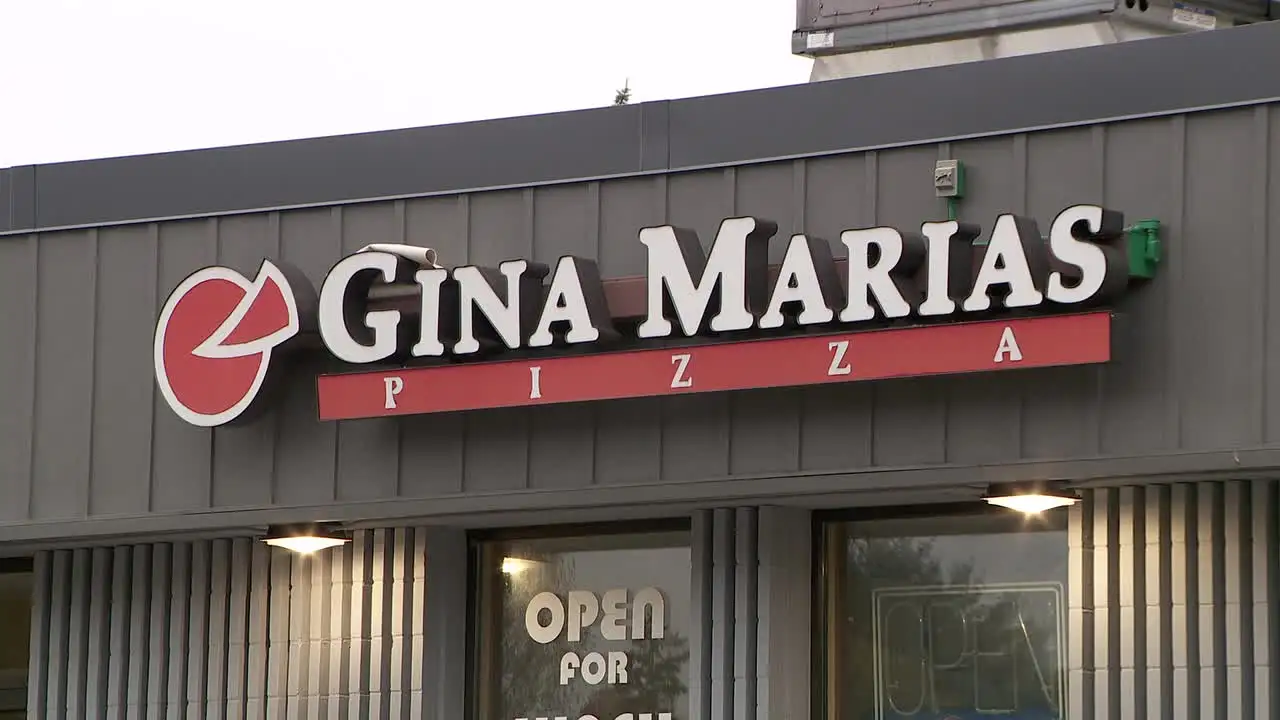
The restaurant industry has always been a dynamic and competitive space, but in recent years, it has faced unprecedented challenges. From shifting consumer preferences to rising operational costs and economic uncertainties, many businesses have struggled to stay afloat. The latest addition to the growing list of struggling food chains is Gina Maria’s Pizza, which recently filed for bankruptcy after an abrupt shutdown, leaving behind approximately $2.9 million in debt.
This development has once again brought attention to the growing trend of pizza chain closing incidents across the United States. The fall of once-popular establishments highlights deeper issues affecting the food service industry and raises concerns about what the future holds for small and mid-sized restaurant chains.
In this detailed article, we will explore the rise and fall of Gina Maria’s Pizza, the reasons behind its bankruptcy, the broader implications of pizza chain closing trends, and what this means for the industry moving forward.
The Rise of Gina Maria’s Pizza
Before becoming a headline in bankruptcy news, Gina Maria’s Pizza was a recognizable name in its regional market. Known for its handcrafted pizzas, fresh ingredients, and community-focused approach, the brand built a loyal customer base over the years.
The company operated multiple outlets and positioned itself as a family-friendly alternative to larger corporate chains. Its menu featured classic and specialty pizzas, along with sides and beverages that catered to a wide audience.
At its peak, Gina Maria’s Pizza represented what many independent chains aspire to be—a balance between quality and affordability. However, even strong brand identity and customer loyalty could not shield it from the harsh realities that eventually led to a pizza chain closing scenario.
Abrupt Closure and Bankruptcy Filing
The sudden closure of Gina Maria’s Pizza locations shocked customers, employees, and suppliers alike. Many outlets shut down without prior notice, leaving workers uncertain about their future and vendors struggling with unpaid invoices.
Shortly after the closures, the company filed for bankruptcy, revealing debts totaling approximately $2.9 million. The filing exposed financial difficulties that had been building over time, ultimately culminating in the decision to cease operations.
This case is a textbook example of how quickly a business can transition from stability to collapse in today’s volatile environment. It also reflects a broader pattern of pizza chain closing events that have been occurring with increasing frequency.
Key Reasons Behind the Collapse
1. Rising Operational Costs
One of the primary factors contributing to the downfall of Gina Maria’s Pizza was the sharp increase in operational expenses. Costs related to ingredients, rent, utilities, and labor have surged significantly in recent years.
For pizza businesses, the price of essentials like cheese, flour, and meat plays a critical role in profitability. When these costs rise, margins shrink, making it difficult to sustain operations without increasing menu prices—something that can drive customers away.
This financial pressure has been a major driver behind many pizza chain closing cases.
2. Labor Shortages and Wage Pressure
The restaurant industry has been grappling with labor shortages, and Gina Maria’s Pizza was no exception. Hiring and retaining skilled staff became increasingly difficult, leading to higher wages and operational inefficiencies.
In many instances, restaurants had to operate with reduced staff, impacting service quality and customer satisfaction. Over time, this created a negative cycle that further weakened the business.
Labor challenges continue to be a key contributor to the ongoing trend of pizza chain closing across the industry.
3. Increased Competition
The pizza market is highly competitive, dominated by major players like Domino’s Pizza, Pizza Hut, and Papa John’s.
These large brands benefit from economies of scale, advanced technology, and strong marketing strategies. They also offer competitive pricing and efficient delivery systems, making it challenging for smaller chains to compete.
As a result, many regional businesses find themselves pushed out of the market, contributing to the growing number of pizza chain closing incidents.
4. Changing Consumer Preferences
Consumer behavior has evolved significantly in recent years. Customers are now more health-conscious and often prefer diverse food options beyond traditional pizza.
Additionally, the rise of food delivery apps has changed how people order and consume food. Restaurants that fail to adapt to these trends risk losing relevance.
Gina Maria’s Pizza struggled to keep pace with these changes, which played a role in its eventual pizza chain closing situation.
5. Impact of Economic Uncertainty
Economic instability, including inflation and reduced discretionary spending, has affected the restaurant industry as a whole. Many consumers are cutting back on dining out, opting for home-cooked meals instead.
This shift has had a direct impact on revenue for pizza chains, especially smaller ones that rely heavily on consistent customer traffic.
Economic challenges have accelerated the rate of pizza chain closing, making survival increasingly difficult for mid-sized operators.
Financial Breakdown of the Debt
The bankruptcy filing revealed that Gina Maria’s Pizza owed approximately $2.9 million to various creditors. These included:
- Suppliers and vendors
- Landlords
- Utility providers
- Financial institutions
Such a high level of debt indicates prolonged financial strain rather than a sudden crisis. It also underscores the importance of financial planning and adaptability in preventing a pizza chain closing outcome.
Impact on Employees and Communities
The closure of Gina Maria’s Pizza has had a significant impact on employees, many of whom lost their jobs without warning. For small communities, the loss of a local restaurant can also mean reduced economic activity and fewer social gathering spaces.
Restaurants often serve as community hubs, and their closure leaves a void that goes beyond financial implications. This human aspect of pizza chain closing is often overlooked but remains critically important.
Industry-Wide Trends: A Growing Concern
The case of Gina Maria’s Pizza is not isolated. The restaurant industry has witnessed multiple closures in recent years, particularly among pizza chains.
Several factors are driving this trend:
- Rising costs
- Digital disruption
- Increased competition
- Changing consumer habits
These challenges have created an environment where even established brands are vulnerable. The increasing frequency of pizza chain closing cases signals a need for innovation and strategic adaptation.
Lessons for Other Restaurant Chains
The downfall of Gina Maria’s Pizza offers valuable lessons for other businesses in the industry:
1. Adapt to Market Changes
Staying relevant requires continuous innovation and responsiveness to consumer trends.
2. Invest in Technology
Online ordering systems, mobile apps, and delivery partnerships are essential in today’s market.
3. Manage Costs Effectively
Efficient cost management can help businesses survive periods of economic uncertainty.
4. Focus on Customer Experience
Providing high-quality service and maintaining customer loyalty can make a significant difference.
Ignoring these factors increases the risk of becoming another pizza chain closing statistic.
Can the Brand Make a Comeback?
Bankruptcy does not always mean the end of a business. In some cases, companies restructure their operations, reduce debt, and relaunch with a stronger strategy.
Whether Gina Maria’s Pizza will make a comeback remains uncertain. However, any potential revival would require significant changes in business strategy, operations, and market positioning.
If successful, it could serve as an example of how a company can recover from a pizza chain closing scenario.
The Future of the Pizza Industry
Despite the challenges, the pizza industry is far from disappearing. It remains one of the most popular food categories worldwide. However, the landscape is changing rapidly.
Future success will depend on:
- Embracing digital transformation
- Offering diverse and healthier menu options
- Enhancing delivery and takeout services
- Building strong brand identity
Businesses that fail to adapt risk facing the same fate as Gina Maria’s Pizza, contributing further to the pizza chain closing trend.
Conclusion
The bankruptcy of Gina Maria’s Pizza serves as a stark reminder of the challenges facing the restaurant industry today. With $2.9 million in debt and an abrupt closure, the company’s downfall highlights the importance of adaptability, financial management, and innovation.
The increasing number of pizza chain closing cases reflects broader economic and industry shifts that cannot be ignored. For businesses, the key to survival lies in understanding these changes and evolving accordingly.
As the industry continues to transform, the story of Gina Maria’s Pizza will remain a cautionary tale—one that underscores the risks of standing still in a rapidly changing world.